
The Wine in the Cellar: A Study of Philippians 1:19-26
In a world that equates happiness with comfort, the Christian message often sounds like a paradox. We are told that to find our lives, we must lose them, and to find true joy, we must sometimes walk through the dark valleys of suffering. Drawing from the Apostle Paul’s experience in prison and the poetic imagery of 17th-century theologian Samuel Rutherford, this post delves into why the "cellar" of affliction is often where God serves His "choicest wines".
The Paradox of Joy and Suffering
If you were to survey the world and ask if people wanted more joy, the answer would be a unanimous "yes". However, the methods suggested to achieve that joy vary wildly. For most, joy is tied to circumstantial ease: a fully funded 401k, a gated community, health, and security. Even as believers, we are often tempted to believe that if God would just change our difficult circumstances or give us an abundance of resources, our joy in Him would increase.
However, the Bible offers a radically different perspective. Instead of seeing suffering as an interruption to be escaped so we can return to "having joy," Scripture presents suffering as an assignment intended to deepen our joy. This is countercultural and counterintuitive because we naturally view joy and suffering as opposites. Yet, the world is full of people who have everything by worldly standards but are absent of joy, while there are those with nothing whose lives are overflowing with it.
The Metaphor of the Dark Cellar
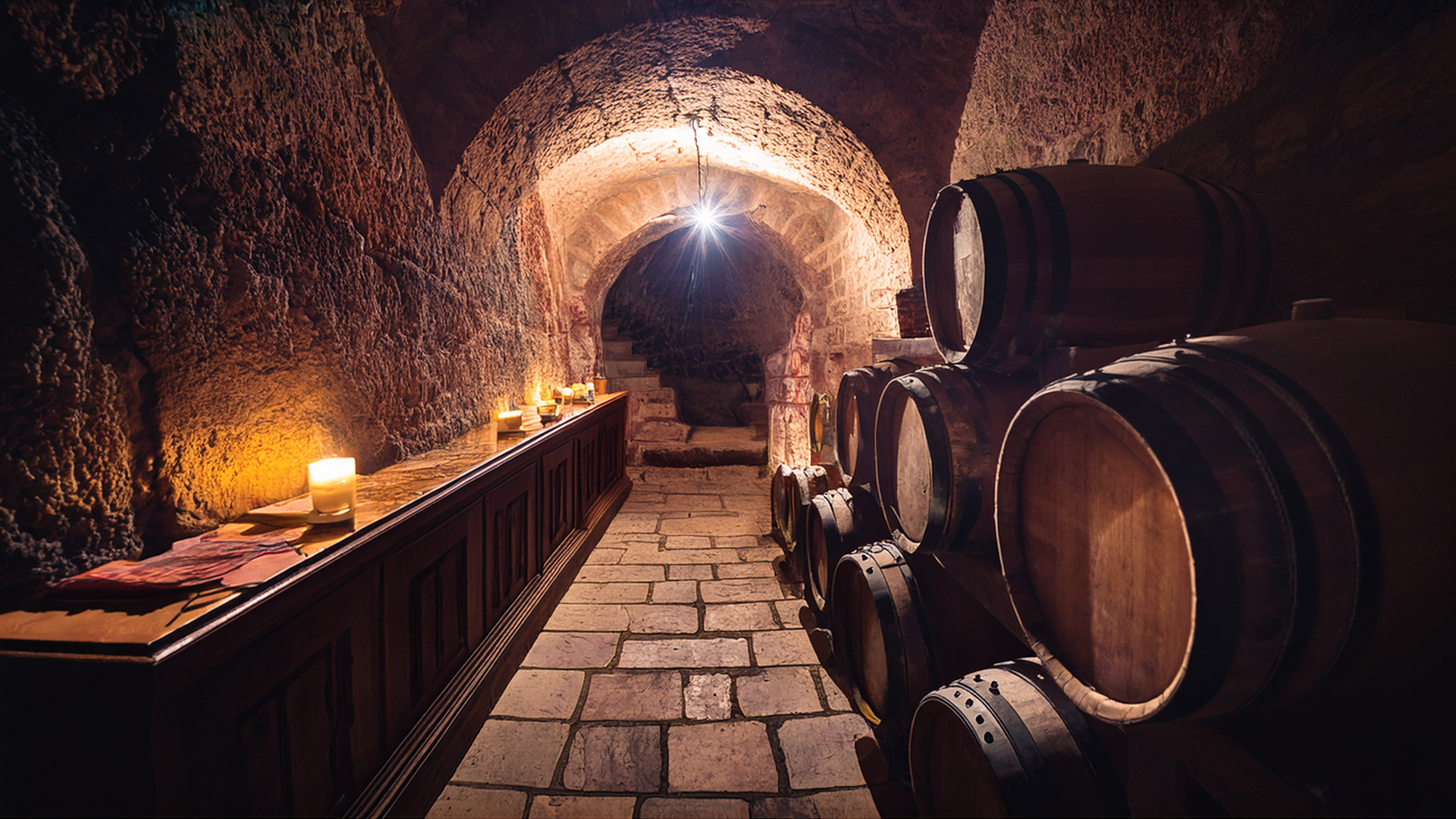
Samuel Rutherford, a 17th-century Scottish theologian was exiled and imprisoned for his biblical beliefs. While locked away, Rutherford did not write bitter laments; instead, his letters were filled with ecstatic, poetic expressions of joy in Christ. He famously observed that God often takes His children into the deepest cellar to show them His choicest wines.
This metaphor suggests that there are aspects of God’s character—His comfort, His hope, His sufficiency—that we can only truly "taste" when the distractions of the "sunshine" are stripped away. When we find ourselves in the cellar, our first instinct is to bolt for the door, but God often keeps us there to offer us a new experience of Himself.
1. The First Wine: Suffering Produces Deliverance
In Philippians 1:19, Paul writes, "For I know that through your prayers and the help of the Spirit of Jesus Christ this will turn out for my deliverance". It is crucial to understand that Paul’s "deliverance" was not necessarily a physical release from his prison cell; in fact, he acknowledges that he might die there. Instead, he is speaking of a spiritual deliverance and vindication.
The Example of Job
Paul’s language in this verse actually quotes the Septuagint version of the Book of Job. Job was a man who lost his family, his livelihood, and his health, yet he remained confident that he would eventually be vindicated because his "Redeemer lives". Job’s suffering was the very thing that produced a level of joy and restoration he could not have experienced otherwise.
Chains as a Chalice
For the believer, chains are not a hindrance to happiness but a "chalice" to savor the sweetness of the Savior. When we trust that our suffering will lead to ultimate deliverance—whether in this life or the next—we begin to see our hardships as means of grace. Suffering for Christ magnifies our joy because it forces us to look past the temporary pain toward the eternal vindication we have in Him.
2. The Second Wine: Suffering Activates Prayer
Deliverance does not happen in a vacuum. God uses specific "instruments" or "means" to accomplish His purposes. While God is the one who delivers, He chooses to act through the prayers of the saints and the help of the Spirit of Jesus Christ.
The Power of Community
Paul believed he would be delivered through the prayers of the Philippian believers. This highlights a vital truth: suffering is never just between us and God; it is intended to activate the prayer life of the church. When we are open about our "chains"—whether they be health battles, family struggles, or exhaustion—it allows the body of Christ to intercede for us.
This creates a beautiful community focus. If we isolate ourselves or pretend everything is "fine," we rob others of the opportunity to pray and rob ourselves of the deliverance God brings through those prayers. Community structures, such as small groups, serve as conduits for this "back and forth" of making ourselves known so that Christ can be exalted through answered prayer.
The Work of the Spirit
Furthermore, Paul specifies the "help of the Spirit of Jesus Christ". This is a reminder that we do not even produce the prayers ourselves; it is God who works in us "both to will and to work for his good pleasure". By calling Him the "Spirit of Jesus Christ," Paul emphasizes that the Spirit is never detached from Jesus. Our suffering activates the power of the Spirit within us, deepening our reliance on the one who sent Him.
3. The Third Wine: Suffering Deepens Intimacy
Perhaps the most profound "wine" found in the cellar is intimacy with Christ. Paul notes that whether he lives or dies, Christ will be honored in his body. This is because suffering for Christ’s sake draws us closer to Him, allowing us to "share in His sufferings".
As we get closer to Jesus through shared hardship, we begin to see His beauty and splendor in ways that are invisible in times of ease. Just as the deepest human friendships are often forged in the "hard things," our relationship with Christ is magnified when we experience His grace and mercy in the midst of the cellar. Affliction amplifies adoration; the more we suffer for Him, the more we are joined to Him, and the more our joy in Him is supercharged.
The Apex of the Disciple’s Mind: "To Live is Christ"
The heart of Paul’s theology is found in Philippians 1:21: "For to me to live is Christ, and to die is gain". This statement is only possible if Christ is one’s ultimate treasure—the thing desired above all else.
To Live is Christ: This means our life's work is to know Him, make Him known, and imitate His example. Whether we are students, professionals, or parents, the goal of our labor—the "why" behind our grades, careers, and families—must be the glory of Christ.
To Die is Gain: For the believer, death is not a tragedy but a "gain" because it ushers us into the immediate, joyful presence of Jesus, where suffering and darkness cease to exist.
We must guard ourselves against a "wasted life"—one that accumulates worldly success, houses, and cars but is apart from Christ. None of those temporal things endure; only what is done for the glory of God has eternal value.
Fruitful Labor in the Cellar
Despite his desire to depart and be with Christ—which he describes as "far better"—Paul concludes that remaining in the flesh is "more necessary" for the sake of the church. This reveals Paul’s incredible selflessness. He was willing to stay in his "cellar" of suffering if it meant the "progress and joy in the faith" of others.
This provides a vital lesson for anyone currently in a season of hardship: if you are breathing, God has fruitful labor for you to do. No one can say their suffering has rendered them useless. Even in prison, Paul was writing letters, praying, and encouraging others. Whether your "chains" are physical limitations or emotional burdens, you still have a part to play in God’s plan.
Conclusion: Taste and See
Suffering is not a sign that God has abandoned you. Instead, it may be the very place where He is preparing to show you His "choicest wines". In the dark cellar of affliction, you can find:
A wine labeled Comforter.
A wine labeled Hope.
A wine labeled Sufficiency.
A wine labeled Presence.
Do not try to flee the cellar; instead, recognize that your suffering is producing deliverance, activating prayer, and deepening your intimacy with the Savior. Taste and see that the Lord is good, even—and especially—in the midst of the chains.